India and Pakistan have fought several wars since 1947, but the four-day confrontation in May 2025 was distinct, historic, not for boots on the ground, but for the unprecedented deployment of minds and machines, reports Masood Hussain

It was not a full-scale war between India and Pakistan, yet it was far more than a minor skirmish or a simple war trailer. Lasting over 250 hours, this serious confrontation between two nuclear-armed neighbours offered a stark preview of the most advanced form of warfare Asia has witnessed so far. For Generation Z, it resembled a video game, something straight out of a Hollywood blockbuster, where no soldiers crossed borders, but machines and artificial intelligence engaged in combat across a vast, virtually connected battlefield on land, in the air, in space and the seas.
“Our actions have been focused, measured and non-escalatory in nature. No Pakistani military facilities have been targeted,” the Defence Ministry said in a statement within less than half an hour after the Indian missiles, said to be BrahMos, hit the targets. “India has demonstrated considerable restraint in the selection of targets and method of execution.”
The attack was a response upgrade, defence analysts in Delhi explained. When the Uri attack took place on September 18, 2016, a special group of well-trained soldiers crossed the Line of Control (LoC) 10 days later, hit the targets and returned. In 2019, when in Pulwama (at Lethpora) a suicide bomber hit a CRPF bus and killed 40 CRPF men, a series of missiles hit Balakote, deep inside Pakistan, 12 days later, on February 26. In the third such instance in a row, when the Pahalgam massacre took place on April 22, 2025, the LoC and IB were breached to drop payloads at nine places.
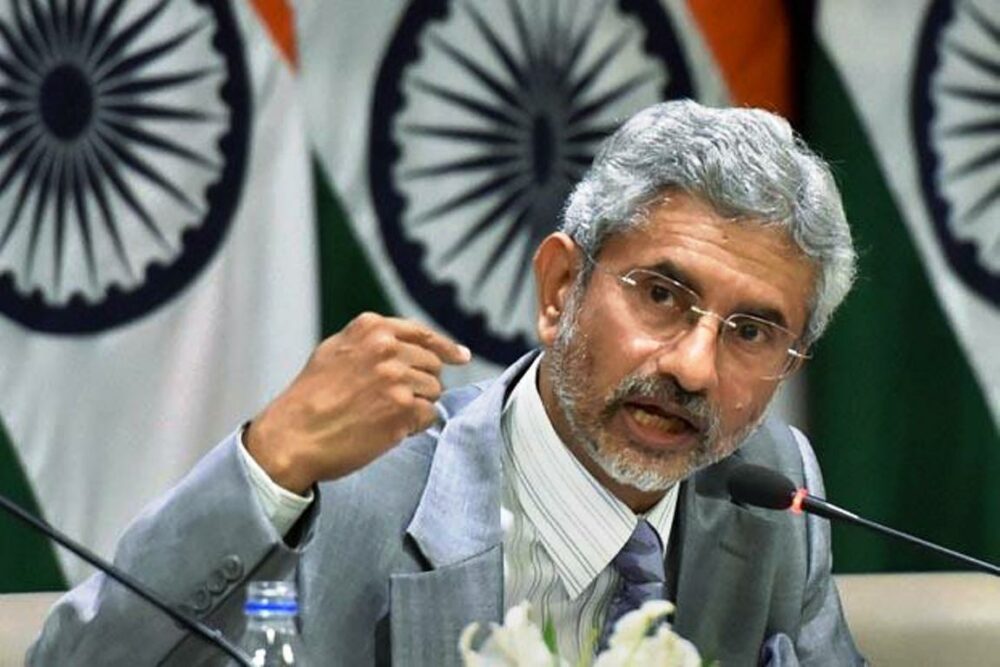
“At the start of the operation, we had sent a message to Pakistan (that) we are striking at the terrorist infrastructure,” External Affairs Minister Dr S Jaishankar told the media later. “We are not striking military, and the military has an option in standing out and not interfering in this process. They choose not to take the advice.”
What eventually happened was that the air force was used on either side. Bombs and missiles landed as well on both sides of the Redcliff divide. Jammu and Kashmir was hardly hit in the civilians’ areas by the Pakistani gunners, and most of Poonch was devastated alongside parts of Karnah, Uri, Akhnoor and other Jammu areas. With the ceasefire, Dr Jaishankar told the media that India calls it Cessation of Firing and Military Action (CFMA), eventually announced and is holding on the Line of Control (LoC) and the International Border (IB). The losses and wins are a debate that military historians are already engaged in. For commoners who have watched wars over and around Kashmir since 1947, the 4-day conflict was hugely different and complex.
The Drone War
This confrontation saw an extensive use of drones by both countries. While drones have been operational along the International Border in Jammu and Kashmir for several years, security agencies have consistently reported their use, particularly in Jammu, for smuggling drugs and small arms. Numerous drones have been intercepted and shot down, prompting the Border Security Force in the Jammu sector to establish a formal mechanism to monitor and counter these aerial intrusions.
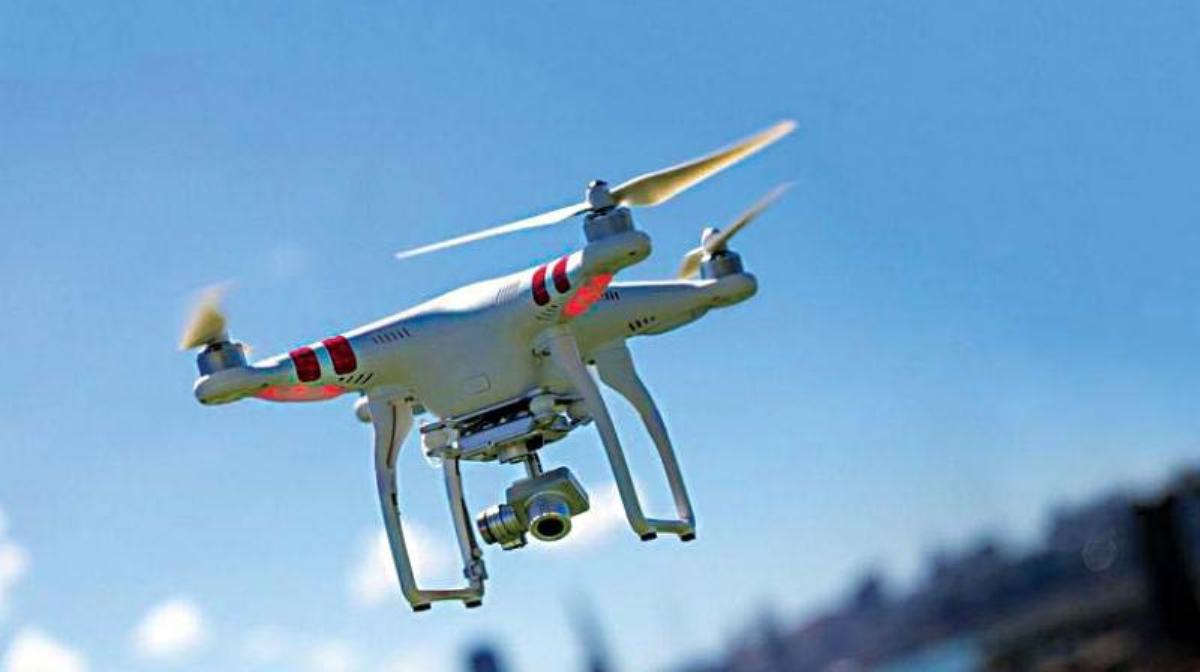
All of a sudden, the drones started swarming on either side. During wars, not much of the details are available for security reasons, but the frequent briefings on either side of the divide suggest that there was an interesting mix of drones that were employed by India and Pakistan. Some drones are meant for locating major weapon systems, reconnaissance drones, and then there are attack drones, the loitering drones, which carry payloads.
“The drone strikes carried out in the initial stage, particularly on May 8, that targeted important military installations were meant to signal the reach of the weaponry of the armed forces,” Hindustan Times reported, quoting people aware of the developments. “To be sure, the drone strikes didn’t cause widespread damage and were carried out more to demonstrate the reach of the weaponry of the armed forces.”
While Pakistan is said to have used Turkish drones, already tested in the ongoing Russia-Ukraine war, India used the Israeli drones. Certain media reports appearing in India claim that Turkey had flown experts to manage the use of their drones in the conflict, but no confirmations are coming from any side. Even one report said Egypt was also involved somewhere in helping Pakistan by flying missiles from Beijing.
According to reports appearing in the media, certain suicide drones are being manufactured within India as part of the technology transfer between Delhi and Tel Aviv.
“On the intervening nights of May 7 and 8, the Pakistan Army used around 300–400 drones to target Indian military infrastructure along the northern and western borders,” said Colonel Sofiya Qureshi at a media briefing on Operation Sindoor. She said 26 locations were targeted. This came a day after the Operation Sindoor was launched, and nine bases were hit on the other side of the divide. Media reports said Pakistan had deployed Bayraktar TB2 and YIHA drones in these attacks as part of its counteroffensive named Operation Bunyan al-Marsus.
India’s drone fleet includes Israeli-made reconnaissance UAVs like the IAI Searcher and Heron, as well as loitering munitions such as the Harpy and Harop. It has also developed indigenous drones like the Nagastra-1 suicide drone, the Rustom-2 medium-altitude long-endurance drone, and the Archer-NG, an armed tactical drone. Pakistan, however, has relied on its Burraq drones, developed under a licensing agreement with China since 2009.
This exchange of drone warfare reflects a broader global trend seen in conflicts like the Ukraine war, where inexpensive, first-person-view (FPV) drones have become highly effective tools of combat.
Defence sources told the media in Delhi that all hostile incursions were successfully intercepted by India’s AI-powered air defence system, Akashteer. Developed indigenously by DRDO, ISRO, and BEL, Akashteer integrates stealth drone tracking, satellite surveillance, and real-time AI decision-making into a single, mobile combat platform. It gathers and processes data from multiple sensors and radars, enabling automated detection, tracking, and interception of enemy aircraft, drones, and missiles without requiring operator input. Official broadcaster Doordarshan, revealed how Akashteer neutralised all incoming threats, marking it as India’s first operational AI war-cloud with no foreign components or satellite dependencies.
A Weaponry Concert
In many ways, it was the first conflict to showcase distinctly global elements. A sophisticated array of weaponry was deployed, and fluctuations in the stock prices of international arms manufacturers, whether surging or plummeting on global exchanges, were widely interpreted as direct consequences of the skirmishes between India and Pakistan in and around Kashmir.
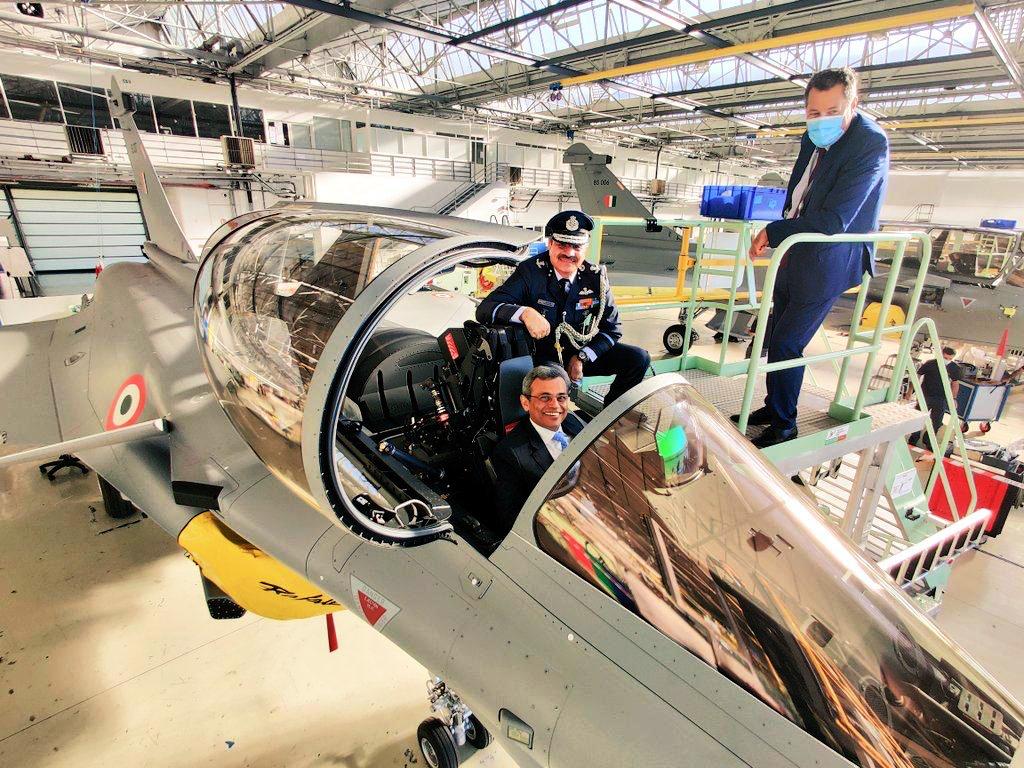
The arms, weapon systems, battle aircraft, drones, air defence and interception machinery that were used by the South Asian rivals were sourced from different countries. India has a roaring defence manufacturing sector, but it uses a huge mix from diverse sources, including imports from Israel, France and Russia. The major fighting machine that India deployed was the Rafale aircraft, which is considered to be a huge fighting machine. India used the Russian air defence system, especially meant for missile detection and destruction, called S-400.
Pakistan used mostly Chinese weapons and defence systems, with the fourth-generation fighter jet J-10 C as the leader. China is an old Pakistani ally and has extended all the defence facilities, including its satellite surveillance, to Islamabad. China has never fought a war since 1962. Its weapon system and carriers were used for the first time in an active combat situation as India and Pakistan tested each other’s capacities.
With not a single soldier moving from his post, there were artillery exchanges in Poonch, Uri, Karnah, Akhnoor and other areas, the military commentators said that this was Asia’s first confrontation between two countries in which the war theatre used an eco system that linked AI, satellites, most modern missiles and the fighter jets. Mostly involving the air forces of the two sides, this confrontation demonstrated that land forces will gradually become less important as machines will perform faster and better with the help of satellite coordination. Future wars will see the land forces eventually marching into the enemy territory with fewer or less least combat options around.
These skirmishes exhibited the use of space involving the satellite as well. This has not happened in this part of the world earlier. Now lot of fighting machines are linked to the satellite that helps choose, locate and hit enemy targets or intercept the projectiles.
Cyber wars
While the quantum of the attacks may not be known but the fact is that the two countries attacked each other’s virtual space as well.
Following the Pahalgam massacre, according to a series of reports published by The Times of India, India witnessed an unprecedented escalation in cyber warfare, with over 1.5 million cyber attacks launched by at least seven Advanced Persistent Threat (APT) and hacktivist groups, primarily from Pakistan and allied nations such as Bangladesh, Indonesia, Turkey, Malaysia, Iran, and China. Maharashtra Cyber, in its report Road of Sindoor, detailed the coordinated cyber assault, stating that only 150 of these attacks were successful, a mere 0.01 per cent success rate.

The offensive, attributed to groups like APT36 (Transparent Tribe), Team Insane PK, and Pakistan Cyber Force, targeted critical infrastructure, including airports, defence PSUs, municipal bodies, power grids, railways, telecom systems, and financial platforms such as UPI and NPCI. Attack methods ranged from malware, phishing, and DDoS campaigns to GPS spoofing and misinformation, some falsely claiming data breaches, power grid failures, and missile system disruptions.
The cyber assault unfolded in five phases, escalating from low-level defacements to ransomware attacks and culminating in sophisticated infiltrations using zero-day exploits by foreign APTs, including Lazarus Group, MuddyWater, and APT28. India’s response included thwarting many attacks, restoring defaced sites, and removing over 5,000 instances of fake news. Experts warned of growing Southeast Asian hacktivist alliances and stressed the need for heightened cyber hygiene, institutional defence, and public vigilance.
There were attacks, the media reports said, but not every attack was successful. However, it pushed certain claims to go viral, especially the one that the cyber attacks on the power grid. Though the lights remained off during evening as part of the mandatory blackout in border areas, the Press Information Bureau (PIB)’s fact-checking section had to quickly rebut the claims to restore people’s trust in cybersecurity across India.
With almost every activity from service delivery offices, education, banking and even defence going digital, securing the virtual space is a challenging task. The countries and the institutions, especially the defence and the financial sector, are spending billions of rupees in managing the security of the data and the operational system, intact and clean.
Social Media War
During the wars in the last century or even during the US occupation of Iraq, governments used glamour, singers, and role models to boost the morale of the armies. Social media has changed that completely. While supporting their armies, they also joined as propagandists. This tension witnessed a barrage of social media wars in which the rival population used social media to outwit each other. It was a huge meme war between India and Pakistan. The use of deep fakes, singling out sentences and converting them into cyber weapons was so massive that it was challenging to get the real story.

For many days, the reports about a pilot landing on the other side became so powerful – they even used an old parachute landing of a person- that Pakistani media had to formally get it denied by the army. In Srinagar, based on these fake videos, certain people had started talking about prisoner exchanges in the coming days.
What was most disturbing was the fall of the formal media to a level at which it faced serious credibility issues. In all wars, the media gets influenced for patriotic reasons, but still struggles to offer factual reportage. It was very visible during the Kargil conflict in 1999 when all newsrooms would get a detailed briefing formally on almost a daily basis. Though the briefing continued, the source-based reportage was quite alarming. In certain shows, the commentators used choicest abuses live. A barrage of reports packaged as news proved fake and misleading the other day. This was happening at a time when the government added more restrictions to the coverage of ground situations linked directly or indirectly to the skirmishes.
A social media post humiliating the visiting Iranian minister created a bad taste in bilateral diplomacy. High-pitch reportage on Turkey’s links with Pakistan by the formal media is expected to have a cascading impact on Delhi-Istanbul relations. Even the questionable commentary on Sophia Qureshi by a BJP lawmaker went to the Supreme Court.
Interesting Diplomacy
As India and Pakistan initiated the confrontation, the world started showing its concern. The neighbours in the Middle East were the first to jump into the ring and attempt a thaw. Dr Abbas Araghchi, Iran’s foreign minister, flew to Islamabad for an overnight stay and then went home. A day later, he landed in Delhi and met all the concerned. He wanted the two neighbours not to get into a conflict that would destabilise the region. It is interesting to mention here that Iran has had tensions with Islamabad, and the two countries have exchanged missiles at each other. This time, however, Tehran was keen to see the two neighbours not fight each other.
The entire Middle East was involved in preventing a war. Saudi Arabia got involved in the crisis well before the fighting started. Its junior Foreign Minister, Adel Al-Jubei, visited Islamabad and Delhi soon after the Pahalgam massacre started, indicating the beginning of a crisis in the region. Later, when they fired missiles at each other, he flew to Islamabad again on May 10. A day later, the DGMOs decided to talk to each other. Saudi Arabia, it may be recalled here, was the main negotiator in 2019 when India attacked Balakote, and the outcome was the release of the captured pilot. It was only after that visit that the DGMOs agreed to talk.
Most of the Middle East managed to intervene, still staying neutral. This, however, was not the case with Azerbaijan and Turkey. Now they are said to be a new three-brother alliance with Pakistan. Of late, Delhi has started talking to Kabul in the neighbourhood.
The Trump Show
This time, however, the entire media attention was grabbed by the US president, Donald J Trump. When the massacre took place, his Deputy, the Vice President JD Vance, was in Rajasthan with his family. He condemned the attack and paid his condolences. Later, he asserted the US will not intervene.
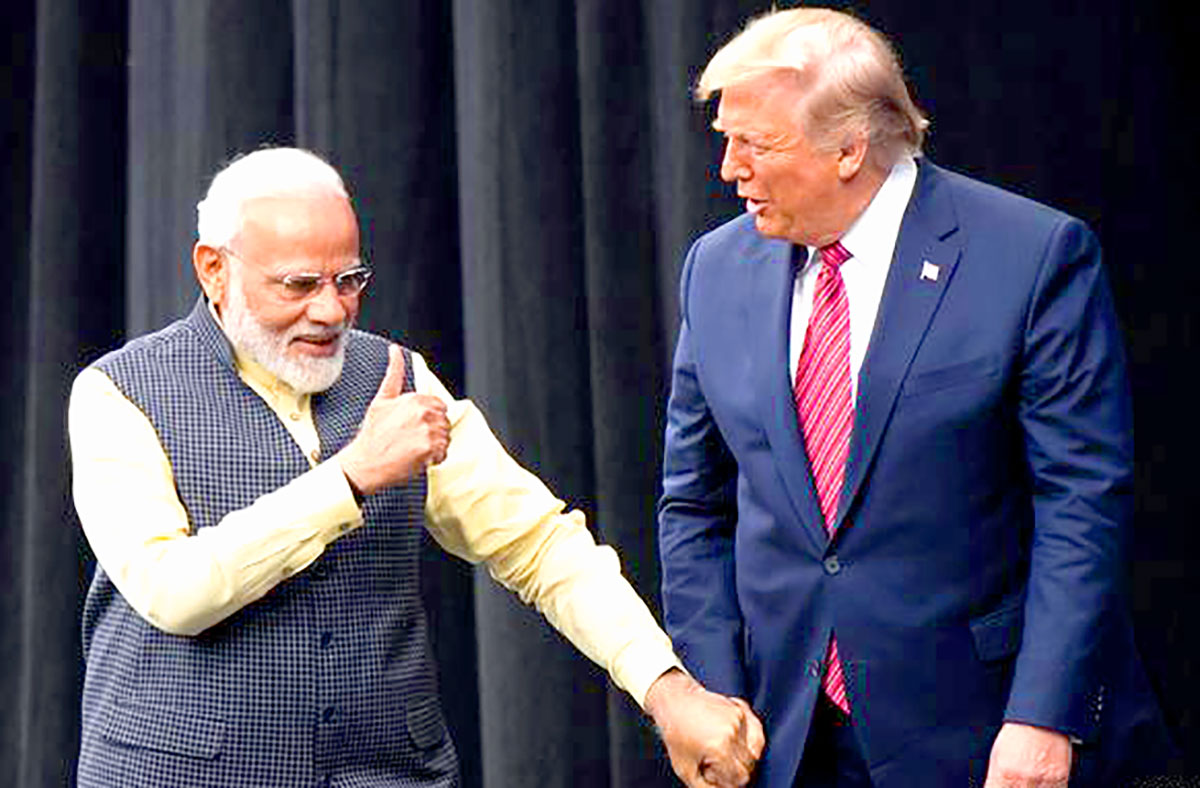
“We can’t control these countries, though. Fundamentally, India has its gripes with Pakistan. Pakistan has responded to India. What we can do is try to encourage these folks to de-escalate a little bit. But we’re not going to get involved in the middle of a war, that’s fundamentally none of our business and has nothing to do with America’s ability to control it,” the US Vice President JD Vance told Fox News in the US. “America can’t tell the Indians to lay down their arms. We can’t tell the Pakistanis to lay down their arms. And so we’re going to continue to pursue this thing through diplomatic channels. Our hope and we expect that this is not going to spiral into a broader regional war or, God forbid, a nuclear conflict, but sure, we’re worried about these things.”
The situation changed dramatically within 24 hours. “Over the past 48 hours, Vice President Vance and I have engaged with senior Indian and Pakistani officials, including Prime Ministers Narendra Modi and Shehbaz Sharif, External Affairs Minister Subrahmanyam Jaishankar, Chief of Army Staff Asim Munir, and National Security Advisors Ajit Doval and Asim Malik,” US Secretary of State Marco Rubio stated. “I am pleased to announce the Governments of India and Pakistan have agreed to an immediate ceasefire and to start talks on a broad set of issues at a neutral site. We commend Prime Ministers Modi and Sharif on their wisdom, prudence, and statesmanship in choosing the path of peace.”

This followed President Trump’s tweet: “After a long night of talks mediated by the United States, I am pleased to announce that India and Pakistan have agreed to a full and immediate ceasefire. Congratulations to both countries on using Common Sense and Great Intelligence. Thank you for your attention to this matter.”
It was the nuclear fear that pushed the US to get involved, as it got into crisis management in 1999 and later in 2018. “But the most significant causes for concern came late Friday, when explosions hit the Nur Khan air base in Rawalpindi, Pakistan, the garrison city adjacent to Islamabad,” The New York Times reported. “The base is a key installation, one of the central transport hubs for Pakistan’s military and the home to the air refuelling capability that would keep Pakistani fighters aloft. But it is also just a short distance from the headquarters of Pakistan’s Strategic Plans Division, which oversees and protects the country’s nuclear arsenal, now believed to include about 170 or more warheads. The warheads themselves are presumed to be spread around the country.”
A day after the ceasefire, Trump put a longer post heaping praise on “strong and unwaveringly powerful leadership” of India and Pakistan for having “the strength, wisdom, and fortitude to fully know and understand that it was time to stop the current aggression” that could have led to the death of “millions of good and innocent people”. He added: “While not even discussed, I am going to increase trade, substantially, with both of these great Nations. Additionally, I will work with you both to see if, after a “thousand years,” a solution can be arrived at concerning Kashmir.”
Everywhere Trump went, he ensured he talked about the efforts he made in halting the India-Pakistan tensions, while flying to the Middle East, in Saudi Arabia, in Doha and later in Abu Dhabi.
“And by the way, I don’t want to say I did, but I sure as hell helped settle the problem between Pakistan and India last week, which was getting more and more hostile,” Trump told US military personnel at the al-Udeid Air Base in Qatar. “So I said, you know, I could settle that up. I can settle anything. Let me set it up. Let’s get them all together. How long have you been fighting? About 1,000 years. Oh, that’s a lot. I’m not sure about that. I’m not sure about settling. That’s a tough one. They’ve been fighting for a long time, but we got that settled. Nobody, boy, everybody was very happy. I’ll tell you that looked like it was really going to be escalating out of control.” Everywhere, he asserted that he offered the two hostile neighbours trade to end the war, a claim unsubstantiated on the ground.
This created a serious issue in New Delhi, which, unlike Islamabad, refused to formally acknowledge US efforts. Officially, the government said that the Pakistani DGMO got in touch with his counterpart, and it started the process of cessation of firing and military action. No third parties involved, it asserted.
India has cultivated its relations with Washington over the years with serious efforts and utmost caution. All of a sudden, the Trump assertions over Kashmir have started upsetting that relationship. Now, reports appearing in the media indicate the US administration has acknowledged the impact that Trump’s assertions could have on the bilateral relations and the new line is that the US will encourage the two countries to talk.
The Bilateralism
India has significantly invested in ensuring that any talk on Kashmir shall remain bilateral without a third party. “To me, things are fairly clear. One, where Pakistan is concerned, our relations, our dealings with them will be bilateral, and strictly bilateral,” Dr Jaishakar said. “That has been a national consensus for many years, and there is absolutely no change in that consensus that dealings with Pakistan will be bilateral.” There is no change in that.
At a time when the rival armies are talking frequently and have decided to add to the conducive atmosphere on the borders, the foreign ministry has asserted that the decision to keep the Indus Water Treaty in force shall remain. The water sharing treaty is essentially a bilateral agreement that was brokered by the World Bank.
On its part, Pakistan had announced that it has decided to keep the Shimla Accord in abeyance. This accord, signed after the 1971 war, had converted the ceasefire line of 1951 to the Line of Control (LoC) and asserted that all negotiations related to Kashmir will be a two-party affair. Pakistan is talking about Kashmir, and India about the Pakistan-Occupied Kashmir and terrorism.
Now it remains to be seen how the process moves ahead.