With economic well-being overtaking the basic family institution, Kashmir tops the list of places where late marriages are the new norm. Coupled with tensions and lifestyles, now more couples report to recently-proliferated infertility clinics for ‘test tube babies’. It coincides with an all-time low fertility rate, reports Syed Shadab Ali Gillani
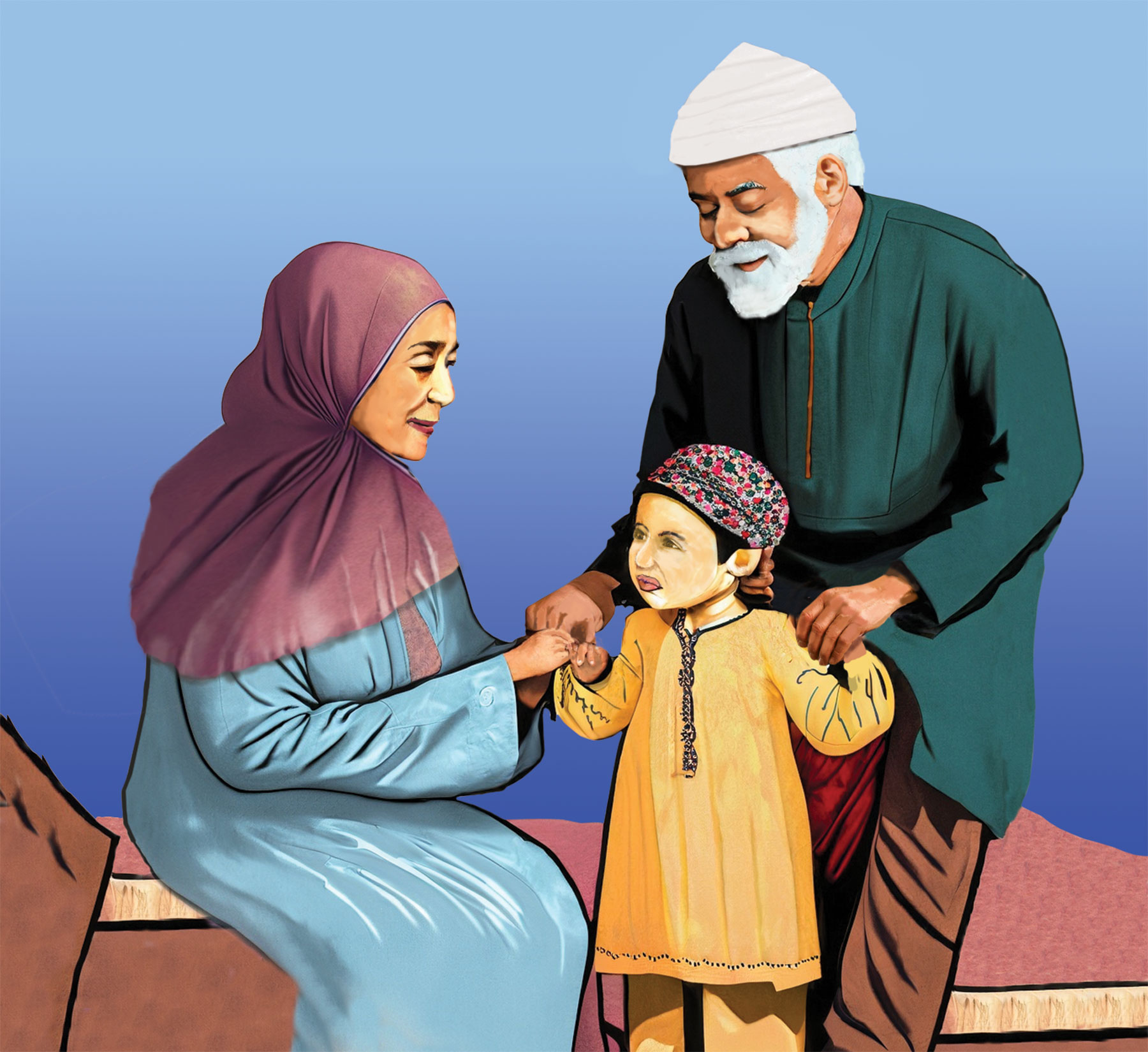
Hajira, 72, found herself reminiscing about her early marriage to a deeply loving man at the tender age of 15. A fervent desire marked their marriage for children, but destiny had different plans in store. “I had always dreamt of motherhood, but alas, it was a dream that remained unfulfilled,” sighed Hajira, her voice heavy with longing.
Throughout her life, Hajira faced the painful reality of her infertility. Her in-laws and the broader society deemed her unable to conceive, a label that took a toll on her overall well-being. She was dubbed barren.
“Motherhood is a blessing, and being deprived of it weighed heavily on me,” she confided, lamenting the absence of medical facilities available in Kashmir at that time. “I became increasingly irritable and descended into a dark abyss of depression.”
Her husband, Mohammad Ali, 75, grappled with guilt and sympathy for his wife, determined to alleviate her sorrow. Despite familial pressure to remarry, he steadfastly refused and chose to adopt two boys instead.
As the children entered their home, a transformation overtook Hajira, her spirits lifting, and her life regaining normalcy. It was the first time she experienced the joys of motherhood, after 15 years of yearning. They had the feeling that – yem chehney meah panneh dumbeak (they are not part of my body) – but the instant happiness pushed that feeling far away.
However, as the boys grew into men, they eventually decided to part ways, leaving the elderly couple– married for more than 55 years – childless once more. “I was naïve to think that I could have children when Allah did not will it. That’s why the boys left us,” Hajira said, struggling to hold back her tears.
A New Trend
The infertility that was being talked about in hushed tones in the earlier Kashmir is a situation that is widespread now. According to a 2021 study, infertility is a significant clinical concern affecting 8-12 per cent of couples globally. The World Health Organisation (WHO) 2016 data indicates a prevalence of infertility in Kashmir and India ranging from 3.9 per cent to 16.8 per cent.
Additionally, a 2020 research study published in the International Journal of Reproduction, Contraception, Obstetrics, and Gynaecology (IJRCOG) revealed that approximately 10-15 per cent of the population in Kashmir grapples with infertility. The study claims that among this percentage, primary infertility accounted for 72 per cent, while secondary infertility constituted 28 per cent.
According to the WHO, male infertility can be attributed to factors such as low sperm count, abnormal sperm morphology, and impaired sperm motility, while female infertility can be caused by a variety of conditions affecting the ovaries, uterus, fallopian tubes, and endocrine system, among others.
The Emotional Burden
Regardless of which partner has the issues leading to infertility, in societies like Kashmir, it is often women who bear the brunt. By and large, the first suspect in case of infertility is the woman. Numerous research studies are pointing towards women becoming the first victims of the mess.
Dr Nighat Akbar, a resident PG student at the Institute of Mental Health and Neurosciences (IMHANS), conducting research on the psychological aspects of infertility in couples within the age range of the late 20s to early 30s, highlighted the mental health challenges they face. She noted that issues such as depression, anxiety, and sleep disturbances are common, and these mental health problems can further disrupt hormonal balance, worsening the problem of infertility.
Pointing out that women often endure more hardship due to costly treatments, invasive procedures, financial strains, family disruptions, and, at times, marital conflicts. “They even avoid social gatherings and family events, fearing judgment and probing questions from others,” she said.
The doctor emphasised that women are frequently subjected to blame, and in some cases end up being divorced. “In many instances, women face censure from their in-laws and other relatives. Some have had to leave their in-laws’ homes and take refuge in their maternal homes.” She believes females bear a heavier burden, and their quality of life is greatly affected; they endure significant suffering.
The Psychological Impact
Dr Yasir Rather, a professor in the Department of Psychiatry at GMC Srinagar, highlighted the increasing prevalence of infertility issues, particularly among women. He noted that this has led to a substantial number of women developing secondary mental health issues, prompting them to seek treatment.
Infertility can lead to a range of mental health challenges, including depression, anxiety, relationship difficulties, low self-esteem, and feelings of guilt and shame. These women may also have to contend with social stigma and isolation due to their inability to conceive.
Regarding the treatment of mental health issues in infertile women, Dr Yasir explained that it often involves a combination of counselling therapies, such as Cognitive Behavioural Therapy (CBT), and occasionally medication to address anxiety, depression, or stress-related problems. “Individuals must consult with mental health professionals and, when necessary, reproductive specialists to adopt a holistic approach to managing both mental health and fertility concerns,” he asserted.
Infertility in Kashmir
With more and more couples reporting the failure in conceiving, the crisis has instantly emerged into a roaring business. There are too many In Vitro Fertilisation (IVF) centres operating in Kashmir besides dozens of ‘experts’ flying for ‘phishing’ potential clients. In Srinagar alone, there are not less than 10 IVF centres and all of them are doing “great” with the costs per couple ranging from Rs 1,50,000 to Rs 2, 50,000 per procedure. Countless couples are unable to make it in the first go and they opt for availing the IVF facility more than once. In certain cases, desperate couples end up spending a fortune to have a baby.
IVF promoters suggest individuals seeking infertility treatment, the costs of treatments vary from one centre to another, and affordability plays a significant role. High treatment costs can also contribute to mental health issues for those seeking help.
Dr Sajad Wani, the head of the Harkaar In-vitro Fertilization (IVF) Centre in Karan Nagar, reveals that his centre conducts around four OPDs per week, with approximately 35 patients per OPD. This includes both follow-ups and, on average, around 10 new patients, encompassing both men and women.
When it comes to infertility, he said, a couple is viewed as a unit, acknowledging that the issue may lie with the husband, wife, both, or none. If the husband is the root cause, it is labelled as male infertility; if it is the wife, it is termed female infertility. If no issues are identified in either partner, it falls under idiopathic or unexplained infertility.
Highlighting the causes of infertility can vary among patients, he said, with significant factors in Kashmir being Polycystic Ovarian Disease (PCOD), endometriosis, genital tuberculosis, tubal factors, premature ovarian failure, or fibroids. Dr Wani also mentions infections and food adulteration as potential causes of infertility, advising that symptoms like recurrent urine infections, pelvic pain, a low sense of well-being, and foul-smelling vaginal discharge should not be taken lightly, as they can be indicative of genital tuberculosis. Moreover, these symptoms can be present in unmarried women, leading to chronic pelvic pain, irregular menstrual cycles, bloating, and overall health decline.
In the case of endometriosis, Dr Wani outlines that symptoms include painful periods that worsen over time and heavy menstrual bleeding. He explains how endometriosis leads to ovarian cysts, which, in turn, affect the quality of eggs in females.
Calculating based on his clinic’s footfalls, Dr Wani stated that infertility is more prevalent among women in Kashmir, with around 40 per cent of women experiencing infertility, approximately 25-30 per cent of men facing infertility, 10-15 per cent classified as idiopathic infertility, and 20 per cent involving both partners.
In men, causes of infertility can range from erectile dysfunction and chromosomal abnormalities to sperm-related issues like azoospermia. Notably, genital tuberculosis is a leading cause of primary and secondary infertility in both men and women in the region.
Dispelling a ‘common misconception’ that all ‘infertile women’ would require IVF, Wani said more than 70 per cent of couples can conceive with medical management alone. The IVF, he said is typically recommended for those facing prolonged infertility or issues with damaged fallopian tubes.
Though Kashmir’s first ‘test tube baby’ born through IVF is believed to have been married already, the IVF in Kashmir is more than 25 years old. Some clinics claim they have more than 1500 babies to their credit in Kashmir alone. Over the years, IVF is accessible to more couples and advancements in technology have reduced the risk of failures to some extent. Wani suggests that IVF success rates have hovered around a global average of 40 per cent to even 50 per cent. In Muslim societies, IVF faces challenges unlike other societies as couples do not see the donor option as ethical. “It is as good as illegitimate,” one IVF centre promoter said. “We have in place a very strong system in which we ensure that the child should essentially be that of the couple as we do not have donor systems in place.”
Interestingly, however, the government health centre has not been able to create a facility that would cater to infertile couples and would regulate the market. Top officials contacted said they have no idea if the government will ever set up such a facility as it was never talked about.
Lalla Ded Hospital, Kashmir’s premier gynaecological and obstetrics facility, is running an intrauterine insemination (IUI) clinic. This facility envisages placing specially prepared (collected, washed) sperms directly into the uterus to enhance the chances of conception. Done during peak ovulation, the IUI is very cost-effective and less invasive but successes have never crossed 25 per cent.

Sara’s Struggle
In a scenario reminiscent of Hajira’s, there are countless other women in Kashmir silently suffering. Sara and Junaid from South Kashmir were married seven years ago in a grand ceremony. Initially, their marriage was filled with happiness, and after a year, they decided to start a family.
Sara became pregnant but faced complications during her pregnancy, resulting in the foetus loss. The couple was devastated, but the support of those around them helped them cope with the loss. As they had begun planning for their child, the loss had a profound impact on their lives. “That is where my hopes, my life, my dreams all ended,” said Sara.
The couple attempted to conceive again multiple times but were unsuccessful. Eventually, they sought medical help. Despite positive test results indicating fertility, they were still unable to conceive. The couple turned to various sources for prayers and blessings, including dargahs and faith healers.

Sara faced judgment from others, which took a toll on her mental health. “People talked a lot about me, they called me a useless woman for not being able to give birth, and I somehow agree with them.” The couple even sought medical treatment outside Kashmir.
While Sara remains hopeful, Junaid witnesses her daily struggles with stress and emotional turmoil, affecting their marriage. Junaid’s parents and siblings are supportive, recognising the love and care but inside they all keep their fingers crossed.
Sara’s family hopes that soon she will become a great mother. However, not all women can afford to be as optimistic as Sara.
Abid is an unfortunate man. He married a young co-professional and flew abroad where the fact descended upon him that they may never be parents. Protracted investigations led to the revelation that the bride needed to be treated for infertility. One procedure was done and it was a huge miss. By the time, they were planning to repeat the procedure, they landed up in jobs back home where family tensions were at their own peak.
The man was under pressure that he needs to have a successor and adoption was not an option. He was asked to remarry. His wife refused to part ways. Eventually, it triggered tensions between Abid’s father and mother and the latter landed in a cardiac crisis and eventually died. The couple live far away from his parents, issueless and painful.

Socio-economic Challenges
Women who are sometimes labelled as infertile and barren confront a range of challenges, including societal and economic factors that exacerbate their difficulties.
These women often endure constant stigmatisation, name-calling, and shaming from their communities. Derogatory terms like haenth and baanjh are used to belittle women who cannot conceive, and both Sara and Hajira, along with many others, have been subjected to these hurtful labels.
“I have been referred to as bichaer simply because I don’t have a child,” Sara revealed, illustrating the insensitivity they face.
In most of the cases, these couples wait endlessly and stay committed to each other. By the time, they think of adoption or new marriages they are too aged to take the new wedding wows. In a few cases, however, the individuals are understanding. “I am aware of a top businessman in Srinagar whose wife could not get him a baby and the man was unwilling to adopt a child,” Ghulam Rasool, a shopkeeper in a city locality said. “The woman understood the love and the commitment and she arranged a new marriage for her husband. Now both the wives of the businessman are rearing a big family. Last year, they both flew for Haj with him.”
Crux of the Mess
Over the years, Kashmir’s fertility rates have gone down. Right now Kashmir’s fertility rate is no better than Lakshadweep or Ladakh. While society, the experts and the academia are aware of the issue they have avoided addressing it. While a section of men and women are born with problems, not all the couples rushing to IVFs and faith healers are infertile. It is the age factor they are caught in. Sperms and eggs age with the men and women and the eco-system decides how fast that will happen.
A recent study titled Youth in India – 2022 conducted by the Ministry of Statistics and Programme Implementation shed light on unmarried youth in Jammu and Kashmir. The findings exposed a concerning trend where the region had a high rate of unmarried young individuals in 2019, defying the national pattern.
The report underlines the challenges faced by unmarried women in areas where the dowry system perpetuates gender inequality, viewing women primarily as commodities valuable for the potential financial gain they may bring to a marriage. The societal stigma attached to unmarried women has significantly hindered their educational and professional aspirations.
The study’s data reveals an increasing prevalence of single youth in Jammu and Kashmir, affecting both men and women. In 2011, 25.3 per cent of young people were unmarried, and by 2019, this figure had risen to 29.1 per cent.
As per the statistics, the study found that 9.5 per cent of individuals in the 15–19 age group were unmarried, 10.7 per cent for the 20–24 age group and 8.9 per cent for the 25–29 age group. It is worth noting that these figures were released at a time when Jammu and Kashmir were grappling with a challenging demographic situation due to having one of the lowest Total Fertility Rates (TFR) in the nation.
In April 2020, an NGO, Tehreek i Falahul Muslimeen conducted a survey that revealed that over 50,000 girls in Kashmir had reached a marriageable age, highlighting the scale of the issue.
The 2011 census found that 55 per cent of the population in Jammu and Kashmir – 54.7 per cent men and 45.12 per cent women – had never married despite falling in the marriageable age. The national average then was 49 per cent. Only 25 per cent of women in Kashmir marry in their 20s.
In the Kashmiri context, a paper by Navshad Ahmad Wani and two of his colleagues revealed in 2017, that the actual average age of marriage for Kashmiri men is 31.53 years and 27.8 years for females. This is much higher than the national average. In the last 30 years, the marital age for Kashmiri women has risen from 18-21 to 27-35 years.
These challenges place an additional burden on women who are already dealing with infertility, creating a complex web of difficulties in their lives.
Over the years, the new societal trend that men and women must earn first and then decide to settle is pushing them away from the age in which they should have children. The jobs in private and public sectors are already in short supply and it is directly impacting the creation of new families.